By Arno Bohlmeijer
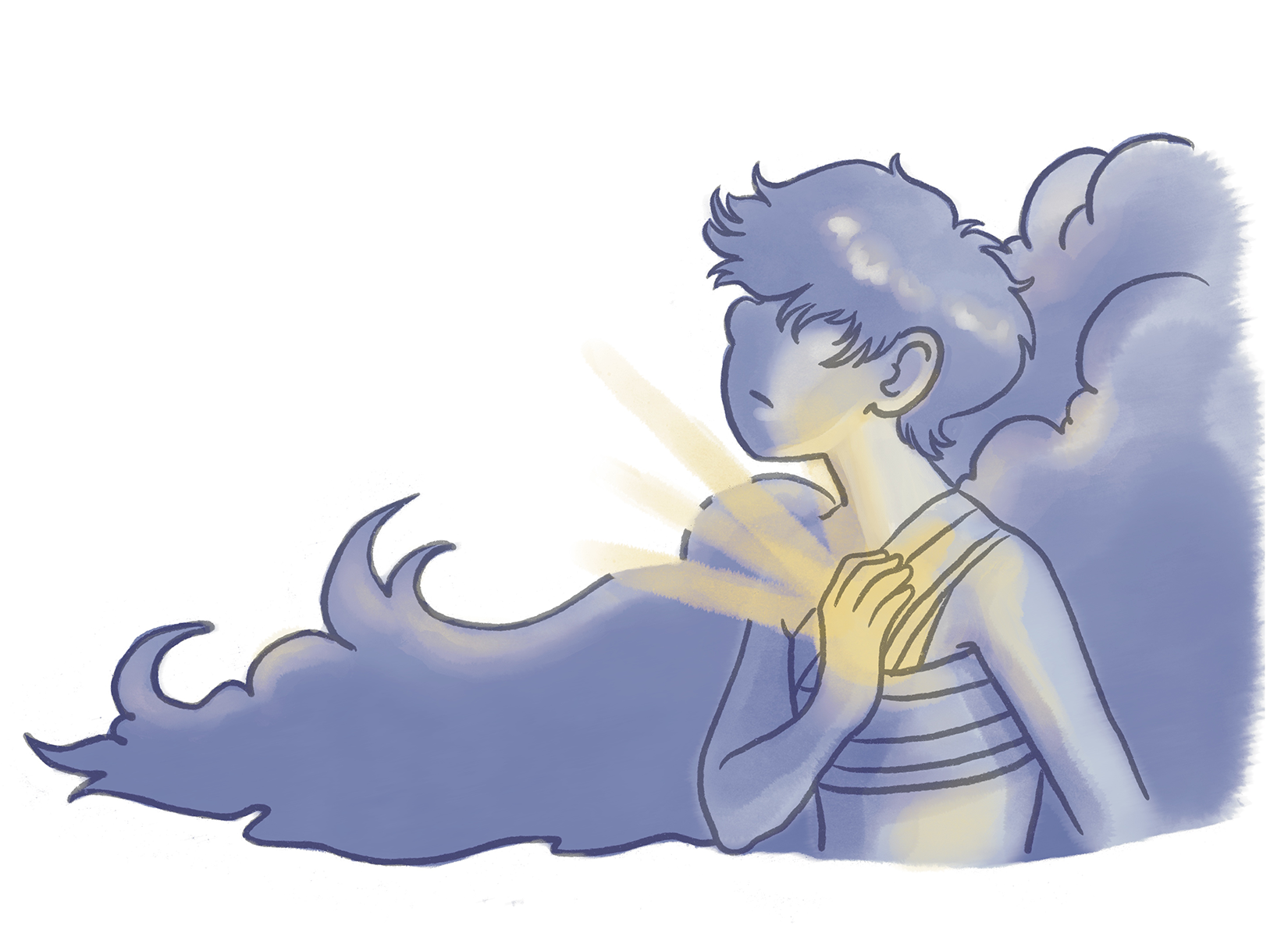
At Grandmom’s, there are so many visitors.
It can be rather difficult for this little introvert. He tries to keep his distance politely, but they arrive with ready smiles—why?—shake his hand, and inquire, “What’s your name?”
“Florian.”
“How old are you?”
“Four.”
More or less invariably, new guests ask these same questions. Eventually, prompted by the repetition, he’ll offer his hand and state his details in advance with a kind of equal smile.
“Florian, four.”
He’s not being cute or rude or too good. Florian just gets the idea and meets the routine.
On other days, though, it seems he can be a handful, which leads to a moment or two, three, four, in the hallway. At least it’s not cold there.
After a number of uncouth occasions, point is taken, and bad behavior is followed by his knowing statement. “OK, I’d better go and wait out there.”
Before he’s five years old, cardiologists find Florian’s aorta blockage, and are surprised that he didn’t have more outbursts.

Now he’s had full heart surgery. With tubes and bandages all over his body, it’s hard for Florian to move and speak. Drinking and eating are tough too, as if he’s learning to do things from scratch. Mom and Dad read to him until he sleeps, but he often wakes up from pain.
Over the course of a couple of days, tubes are removed, and Florian can listen to music, sit up a bit, play a game, and open the mail.
After four days that have been a lifetime, a woman comes in. “Right, Florian,” she says, using his name when she speaks to him. “You can get out of bed now to stand and walk.”
But it feels too strange, as if his body is still broken.
The woman says it’s important, but how to do what he’s too scared to do?
“It’s necessary,” she says. “I’ll help, and we can do it together. Hold me. Don’t worry, I’ve done this before.”
He howls and shrieks. It seems he’s damaged.
“It’s all right,” his mother comforts him. “Focus on your firm legs. Put them over the edge of your bed; you can sit up. … Look, your feet are on the floor. … You’re standing! See? Today, you can walk, and that means soon, you’ll be able to go home.”
The woman gives Florian a hand. “Little steps, one at a time. Get used to moving and remember to breathe deep.”
He tries to do what she says.
“You’re doing well,” the woman says, encouraging him. “You’re walking, and your heart is getting better. The legs are strong again already; do you feel that? Now you can walk over to your mother.”
He moves carefully and slowly, wobbling.
Until he can reach out to hug Mom—gently.

There are two more days of practicing, patience, and recovery.
Sometimes, hours are long; other times, they fly by. Florian gets a lot of presents. Eventually, he can go and explore in the playroom, and “by accident” (not quite), he goes down the big slide.
People are worried, but he’s OK.
Finally, the last bandages are removed, all but the one that covers the wound by his heart. It’s on his back, actually, where they started surgery.
Saturday, the day he will be discharged, arrives. It’s cold, with a blustering storm, and Florian is dressed to go home.
Dad carries him, all wrapped up, to the train station next to the hospital. A wind force nine is thundering between the buildings. They are almost blown over, but Florian is warm in his coat and hood, in Dad’s arms.
At the last stop, Granddad waits by the car, scared for two. Florian walks out of the station on his own; there’s a long stretch of sidewalk to the car.
“How can this be?” Granddad cries out. “My heart is in my mouth, but you look good. On Monday, you had heart surgery, and now, you’re braving the gale! You are a real, walking miracle, Florian!”

They’ll need to take care, though. At home, for example, especially in the shower. And he can’t be lifting things. His parents can’t lift him either, certainly not by his arms and back. For six weeks, running and jumping and dancing won’t be allowed, let alone handstands. He loves doing those, but if a handstand goes too far, Florian will topple and crash on his back.
His heart will need a long time to heal fully.
But he’s made a great start in time for his birthday tomorrow.
Tonight, Florian can sleep in his own bed and take a deep breath, for the heart and the soul, for the rest of his life.
Arno Bohlmeijer won a PEN America Grant in 2021. He is a novelist and poet, writing in English and Dutch, and has been published in six countries, including by Houghton Mifflin in the U.S. His novel Narrowly (2025) is about rare solidarity, tolerance, and integration. www.arnobohlmeijer.com
Original illustration by River Rising